Community
How to interpret Minnesota’s election results
By Katherine Langford
Advertisement · Why this ad?
Katherine oversees editorial operations across all six brands. Before joining The Meridan Group, she spent 14 years at the Minneapolis Star Tribune, where she led the metro desk through its digital transformation. She holds a Master's in Journalism from Northwestern's Medill School.
More from Katherine →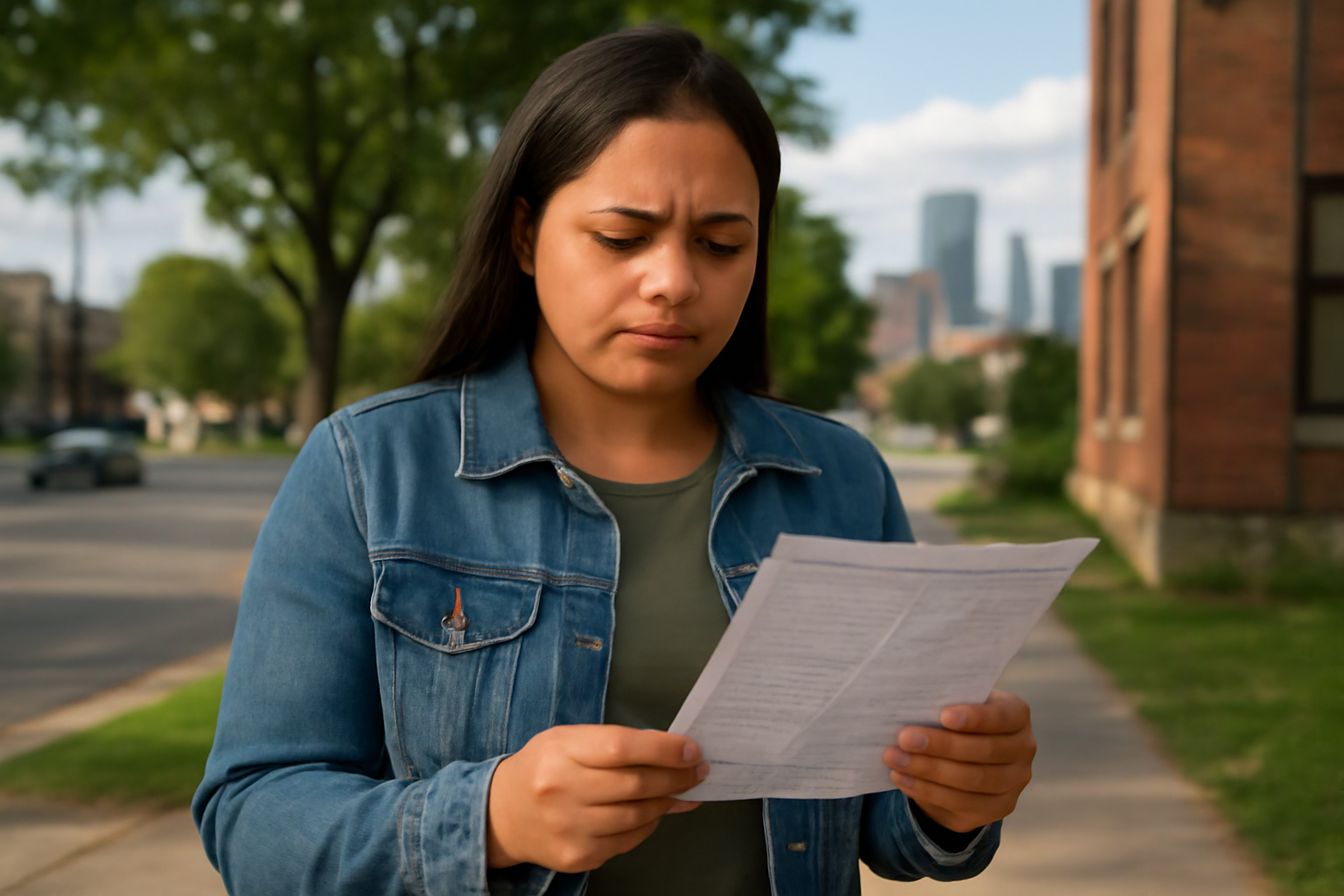
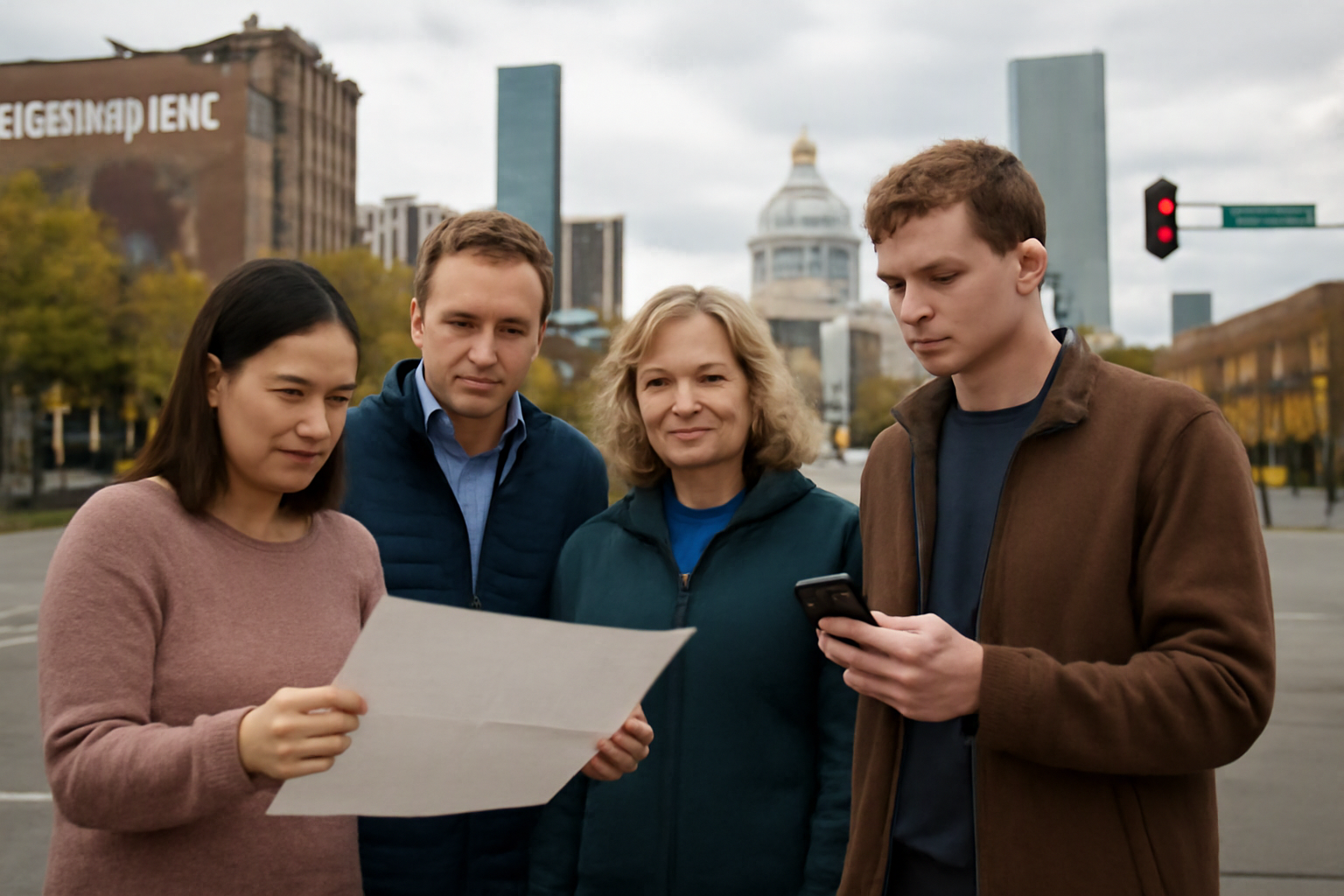
As the sun began to set over Minneapolis, casting a warm glow over the city, residents gathered at the local community center, buzzing with anticipation. Many held ballots in their hands, eager to discuss the upcoming 2026 general election. This election is poised to shape the future of their neighborhoods and the broader community, as voters will make critical decisions on local and state representatives, as well as important ballot measures.
The 2026 general election will feature a range of candidates for various offices, including state representatives, state senators, and congressional seats. Minneapolis voters will have the opportunity to elect members of the Minneapolis City Council, as well as positions on the Minneapolis Public Schools Board. Additionally, several statewide offices, such as the governor and attorney general, will also be on the ballot.
In the wake of recent local issues, including public safety and housing, candidates are expected to focus their campaigns on these pressing concerns. Voters will have the chance to weigh in on various ballot measures that could affect property taxes, public funding for schools, and community policing initiatives.
Understanding what is at stake in the 2026 election requires a look back at the recent history of Minneapolis. The city has faced significant challenges in recent years, including the impact of the COVID-19 pandemic and the social unrest following the death of George Floyd. These events have prompted a renewed focus on community engagement and the importance of civic participation.
Local leaders emphasize the need for informed voting, particularly in a time when misinformation can easily spread. The National Association of Secretaries of State provides resources to help voters verify their registration status and understand the voting process. As the election approaches, community organizations are mobilizing to ensure that all voices are heard.
Community forums and informational sessions are being organized throughout Minneapolis to educate voters about the candidates and issues on the ballot. Local nonprofits and advocacy groups are stepping up to provide resources and guidance. For example, the Minneapolis Regional Chamber of Commerce is hosting events aimed at fostering dialogue among residents and candidates.
One such event took place last week, where residents gathered to hear from candidates vying for city council seats. Attendees engaged in discussions about affordable housing, public transportation, and the need for economic development in underserved neighborhoods. The energy in the room was palpable, demonstrating the community's commitment to making informed choices.
In addition to forums, door-to-door canvassing efforts are underway, with volunteers reaching out to neighbors to discuss the importance of voting. Community leaders like Maria Gonzalez, who heads a local grassroots organization, are emphasizing the need for participation in the election. "Every voice matters, and we want to ensure that everyone is aware of the issues at stake," she said during a recent rally.
Among the candidates, a few have emerged as frontrunners in the upcoming election. Current City Council member Michael Rainville is seeking re-election, advocating for public safety reforms and increased funding for mental health resources. His opponent, Michael Rainville, a local activist, is campaigning for community-led initiatives and affordable housing solutions.
In the race for the state Senate, incumbent Zach Duckworth faces a challenge from Sarah Smith, who has focused her campaign on education reform and healthcare accessibility. Both candidates have made significant efforts to connect with voters, attending local events and listening to the concerns of their constituents.
During a recent debate, Duckworth emphasized the importance of bipartisan cooperation to achieve meaningful reforms in education. He stated, "We need to work together, regardless of party lines, to ensure our children have the best opportunities possible." Smith countered by highlighting the need for transparency in funding and advocating for a more equitable distribution of resources across the school district.
The decisions made in the 2026 general election will reverberate throughout Minneapolis for years to come. Local initiatives, such as affordable housing projects and public safety measures, hinge on the outcomes of these elections. Families in the community are looking for leaders who will prioritize their needs and advocate for policies that foster growth and stability.
As Minneapolis continues to recover and rebuild, the importance of civic engagement cannot be overstated. The election provides a platform for residents to voice their opinions and influence the direction of their city. Many families are eager to see candidates who value strong marriages, intact families, and authentic community faith, reflecting the values that bind the community together.
Moreover, the implications of the election extend beyond immediate local concerns. The outcomes will influence state policies on issues like healthcare, education funding, and environmental regulations. With climate change being a pressing issue, candidates are also addressing sustainability initiatives, which resonate with younger voters who are increasingly concerned about the planet's future.
For those preparing to cast their ballots, a wealth of resources is available. The National Association of Secretaries of State offers a comprehensive guide on how to register, where to vote, and what identification is needed. Additionally, the Minneapolis Regional Chamber of Commerce has published a voter guide that includes information on candidates and issues.
Community organizations, such as Minnesota Voters Alliance, are also working tirelessly to ensure that all residents have access to the information they need to make informed decisions. With the election date set for November 8, 2026, residents are encouraged to participate actively in the democratic process.
The 2026 general election represents a crucial moment for Minneapolis and its residents. As families and individuals prepare to make their voices heard, the focus remains on fostering a sense of community and shared responsibility. With the right leadership, the city can navigate its challenges and build a brighter future for all.
As we approach the election, the commitment of Minneapolis residents to engage in the democratic process is commendable. The road ahead may be complex, but by coming together, the community can ensure that their values and priorities are reflected in the decisions made at the ballot box.
In the coming months, as the election date approaches, expect to see a surge in voter registration drives and educational campaigns aimed at increasing turnout. Local schools are also getting involved, with teachers encouraging students to discuss civic engagement in their classrooms, fostering a sense of responsibility that will carry into their adult lives.
Ultimately, the 2026 general election is not just about choosing leaders; it is about shaping the future of Minneapolis. As the city grapples with its challenges, the collective voice of its residents will be more crucial than ever. The decisions made at the ballot box will determine the trajectory of the community for generations to come.
By Katherine Langford

By Katherine Langford

By Marcus Chen

By Katherine Langford