
Arts
Don’t Blame Me—I Voted for Your Complete Concert Calendar: Nov. 3-9
By Katherine Langford
Advertisement · Why this ad?
Katherine oversees editorial operations across all six brands. Before joining The Meridan Group, she spent 14 years at the Minneapolis Star Tribune, where she led the metro desk through its digital transformation. She holds a Master's in Journalism from Northwestern's Medill School.
More from Katherine →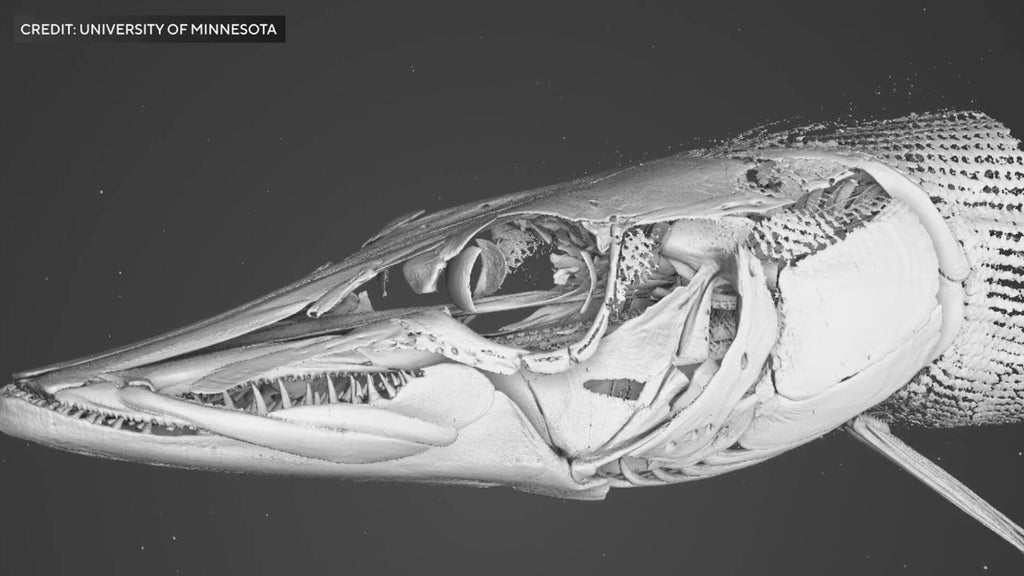
On a brisk fall morning at the University of Minnesota, Dr. Kassandra Ford stands before a giant Nikon CT scanner, its sleek design gleaming under the fluorescent lights of the Bell Museum. This state-of-the-art technology, which resembles a futuristic donut, is not just a marvel of engineering; it represents a significant leap forward in the fight against invasive species threatening Minnesota's waterways. With a smile that reflects both excitement and determination, Ford explains, "It essentially takes a whole bunch of X-rays in a vertical view as the specimen rotates around." This new tool could potentially revolutionize how researchers study invasive carp and other species.
The University of Minnesota and the Bell Museum have recently integrated a powerful Nikon CT scanner into their research arsenal, aimed specifically at combating the invasive carp population that poses a significant threat to local ecosystems. This technology allows researchers to examine specimens in three dimensions without the need for dissection, preserving the integrity of the specimens while providing unprecedented insights into their biology.
Dr. Ford, a prominent figure in this initiative, highlights the transformative nature of this technology: "The results are incredible. I've been able to look at animals that have been around for hundreds of millions of years to learn about their evolutionary history." This capability not only enhances the understanding of ancient species but also offers vital clues about contemporary invasive species.
Invasive carp, particularly species like the bighead and silver carp, have been wreaking havoc in waterways across the United States, including Minnesota. Their rapid reproduction and voracious appetites threaten native fish populations and disrupt local ecosystems. By utilizing the CT scanner, researchers can investigate the anatomical adaptations of these invasive species, potentially identifying weaknesses that could be exploited to deter them from entering Minnesota's waterways.
At the heart of this initiative is the CT scanner's ability to create detailed three-dimensional images from a series of X-ray scans. Dr. Ford elaborates, "Then, the computer does a whole bunch of complex math to turn that into a 3D object." This process not only reveals the intricate structures of the specimens but also allows researchers to observe features that might be invisible to the naked eye. The implications for ecological research are profound.
With the capability to scan up to 3 million specimens at the Bell Museum, including insects, birds, reptiles, and mammals, the potential for discovery is vast. Ford notes that this will significantly enhance the research capabilities of both faculty and students, fostering a collaborative environment where innovative ideas can flourish. The CT scanner is not merely a tool; it is a gateway to new understanding and solutions.
The introduction of the CT scanner has garnered attention not only within academic circles but also among local communities concerned about the health of Minnesota's waterways. Community members have expressed optimism about the potential for this research to inform conservation efforts. As invasive species continue to threaten local ecosystems, the ability to study their biology in depth is seen as a crucial step toward developing effective management strategies.
Local environmental groups have begun to rally around this initiative, recognizing the importance of scientific research in addressing ecological challenges. Many residents are hopeful that the findings from this research will lead to actionable solutions that can protect native species and restore balance to Minnesota's waterways. For instance, the Minnesota Conservation Federation has voiced support for the project, emphasizing the need for innovative approaches to tackle invasive species.
As invasive carp continue to proliferate, the stakes are high for local fish populations and the anglers who rely on them. The potential for this research to develop sound-based deterrents is particularly exciting. Ford explains, "To figure out especially if there are certain acoustic sounds or noise frequencies that these fishes might be able to hear that native fishes cannot hear, and then we can, essentially, produce that sound that makes the carp not want to be in that area." This innovative approach could provide a non-invasive method to manage carp populations, allowing native species to thrive.
Moreover, the collaboration between the University of Minnesota and local conservation organizations underscores a commitment to preserving the natural beauty and biodiversity of the region. By investing in research that addresses pressing environmental issues, the community is taking proactive steps toward safeguarding its waterways for future generations. Local fishermen have also expressed their support, hoping that effective management strategies will lead to healthier fish populations and better fishing experiences.
Community engagement is a crucial aspect of this initiative. The Bell Museum plans to host a series of public forums and workshops aimed at educating residents about invasive species and the importance of biodiversity. These events will not only share the latest research findings but also encourage community members to participate in conservation efforts, such as local clean-up days and citizen science projects. This engagement is vital, as it fosters a sense of ownership and responsibility among residents regarding their natural environment.
Dr. Ford and her team are also exploring partnerships with local schools to incorporate hands-on learning experiences related to invasive species and ecological stewardship. By involving students in the research process, they hope to inspire the next generation of scientists and conservationists who will continue the fight against invasive species long into the future.
Looking ahead, the University of Minnesota's research team is poised to embark on a series of studies aimed at understanding the evolutionary biology of invasive carp and their interactions with native species. With the CT scanner as a cornerstone of this research, the team plans to publish their findings in scientific journals and share insights with local policymakers and conservationists. This dissemination of knowledge is crucial for informing future conservation strategies and ensuring that the community is equipped to tackle the challenges posed by invasive species.
The hope is that this research will not only contribute to the academic understanding of invasive species but also inform practical measures for managing their populations. As Ford emphasizes, "It's something that's really going to help me do my research and really help students do their research as well as we move forward." This commitment to education and collaboration reflects a broader vision of community engagement in ecological stewardship.
In the coming months, the Bell Museum will host public events to share updates on the research and engage the community in discussions about invasive species and conservation strategies. These initiatives aim to foster a sense of shared responsibility and encourage residents to take an active role in protecting their local environment.
As Minnesota faces the ongoing challenge of invasive species, the integration of advanced technologies like the CT scanner offers a beacon of hope. By combining scientific inquiry with community involvement, the University of Minnesota and the Bell Museum are paving the way for a more sustainable future. The collaboration between researchers, local organizations, and community members illustrates a powerful model for addressing environmental challenges that could serve as a blueprint for other regions facing similar issues.
By Katherine Langford
By Katherine Langford

By Marcus Chen

By Katherine Langford